What’s up, gearheads and anyone who’s ever slammed on the brakes to avoid a rogue shopping cart? Today we’re diving into something that’s been under your car this whole time, working way harder than you probably realize: auto bushings. I’m the owner of a bushing supply company, so let me cut through the “they just rubber things” noise and tell you exactly how these tiny parts make or break your braking performance. Auto Bushing
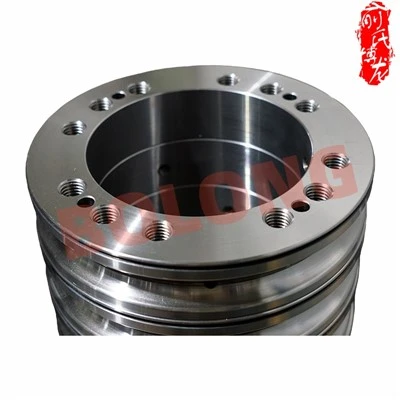
First off, let’s keep it real—when you think about braking, you’re probably picturing brake pads, rotors, calipers, maybe brake lines. No one’s daydreaming about a little rubber (or polyurethane) part tucked between your control arm and subframe, right? But here’s the thing: every single time you hit the brakes, your car’s suspension twists, shifts, and fights against inertia. Bushings are the shock absorbers for that movement, and if they’re shot? Your braking turns from sharp and responsive to “wait, did I even step on the pedal?”
Let’s break down the science without making your eyes glaze over. When you apply the brakes, weight transfers forward—like, a lot of weight. Your front suspension compresses, your control arms pull tight, and all those metal parts start vibrating and shifting. Good bushings act as the buffer here. They dampen that unwanted movement, so the wheels stay planted exactly where they’re supposed to. If your bushings are worn out—cracked, squishy, crumbling—all that force gets wasted on flexing instead of moving the car’s momentum. That means when you need to stop fast, your car doesn’t do it; it just wiggles a little like it’s trying to break free.
I see this all the time with the cars our customers bring in for replacement parts. Last month, a guy showed up with a 2018 sedan that was taking twice as long to stop as it did when he bought it. He’d just replaced his brake pads and rotors, thinking that was the issue, and was confused why nothing changed. Turns out his front lower control arm bushings were 10 years old—completely rotted, to the point where when he hit the brakes, the control arm would shift nearly an inch before it engaged. No wonder his braking felt like he was driving a boat with square wheels. That’s not the brake’s fault—that’s bushing failure.
Now, not all bushings are created equal, and that’s where our company comes in. We supply both OEM-style rubber bushings and high-performance polyurethane ones, because different drivers need different things. Rubber bushings are the standard, right? They’re soft, they insulate road noise, and they work fine for daily driving. But here’s the catch: rubber compresses over time, especially under repeated braking load. By the time they’re 50k-70k miles, they start to break down, and that’s when you notice that “spongy” brake feel. They absorb way too much of the braking force, so less of it actually reaches the wheels.
Polyurethane bushings, on the other hand, are stiffer. They don’t compress nearly as much, so all that force from braking goes exactly where it’s supposed to. I’m not saying polyurethane is for everyone—they do transmit more road noise and vibration, which can be annoying for a daily commuter. But if you’re driving a performance car, or you haul heavy stuff regularly? Those bushings can cut your braking distance by a huge margin. I’ve had a race team customer tell us that switching to our high-durometer polyurethane rear control arm bushings shaved 3 feet off their 60-0 braking time at the track. That’s not a tiny number—that’s the difference between crossing the finish line first and spinning out.
Wait, let’s talk about that spongy brake feel for a second, because that’s the most common sign of bad bushings. When you press the brake pedal, it should be firm, right? If it feels like it goes all the way to the floor before you get any stopping power, that’s often not your master cylinder or caliper. That’s the bushings flexing. Think of it like pressing on a water balloon instead of a solid block—most of your effort is just moving the balloon, not doing any work. Worn bushings do the same thing: they flex under load, so your pedal travel increases, and your braking response is delayed. That’s scary when you have to stop for a kid chasing a ball or a car that cuts you off.
Another thing people don’t think about: weight distribution. When you brake, your front wheels take 60-80% of the stopping force. If your front bushings are worn, that weight isn’t evenly distributed between the two front wheels. One wheel might be doing all the work, while the other is barely touching the road. That leads to uneven braking, which can make your car pull to one side when you hit the brakes. Not only is that unsafe, but it also wears out your brake pads and rotors unevenly, costing you more money in the long run. I can’t tell you how many times a customer has come back because their new pads wore out in 20k miles, and it’s because bad bushings made them work harder on one side.
Now, let’s address the myths out there. Some people think bushings are only for performance cars, or that replacing them is unnecessary if your car doesn’t feel “fast.” Newsflash: even a 10-year-old Corolla can have improved braking with new bushings. I had a mom customer last year with a minivan, and she swapped her front bushings because her minivan would drift when she braked on wet roads. She texted me a month later saying she stopped so fast for a deer that she didn’t hit it, and she swears the bushings were the only change she made. That’s not performance car stuff—that’s regular people keeping their families safe.
How do you know when your bushings are bad? Let’s make it simple, no fancy tools needed. First, listen for clunking or banging when you go over bumps or hit the brakes. That’s metal on metal, because the rubber bushing is gone. Second, check for uneven tire wear—if one tire is worn more on the inside or outside, that could be a control arm bushing issue. Third, that spongy brake pedal or pulling to one side when braking—we already talked about that. If you notice any of these, don’t ignore it. Waiting to replace bushings can lead to worse brake performance, and even damage to other suspension parts like control arms or ball joints, which is way more expensive to fix.
Here’s the thing about our company: we don’t just sell bushings. We know that every car is different, and every driver has different needs. That’s why we stock a huge range of sizes, durometers, and materials—from OEM replacement rubber for daily drivers up to race-grade polyurethane for track cars. We work with independent mechanics, big dealerships, and everyday drivers, because braking performance isn’t a luxury—it’s a safety thing. When you rely on your brakes to stop, the last thing you want is a worn bushing holding you back.
Let’s circle back to the original question: how do auto bushings affect braking performance? At the end of the day, they’re the unsung heroes of your suspension. They control how much movement happens between your suspension parts when you brake, they transfer force efficiently so your brakes work like they’re supposed to, they keep your wheels planted for even stopping, and they prevent that spongy, delayed feel that can lead to accidents. Bad bushings turn your sharp brakes into a mushy mess, good bushings make your brakes feel like they did the day you bought the car—if not better, especially if you swap to high-performance polyurethane.
I’ve been in this business for 15 years, and I still get excited when a customer comes back and tells us how our bushings changed their driving. Last month, a guy with a 2020 pickup truck said he used to have to leave way more space between him and the car in front of him because braking felt slow. After replacing his front and rear bushings with ours? He said he no longer worries about stopping in time, even when he’s towing his boat. That’s what it’s all about—keeping people safe on the road, one small part at a time.
If you’ve noticed any of the braking issues I mentioned—spongy pedal, pulling to one side, long stopping distances, clunking when you brake—don’t guess at replacement parts. The right bushings can make a world of difference, and we’re here to help. Whether you’re a daily driver looking for OEM replacements, a weekend warrior upgrading for better track times, or a mechanic needing bulk parts for your shop, we’ve got you covered. Hit us up to chat about your specific vehicle and braking needs, and we’ll get you the right bushings at a fair price.

Don’t wait until it’s too late. Worn bushings don’t fix themselves, and better braking doesn’t have to cost a fortune. Let’s make your stops as sharp and reliable as they should be.
Auto Air Suspension Parts References:
- Automotive Suspension and Steering: Service and Repair, 5th Edition. Delmar Cengage Learning, 2020.
- Bushing Technology for Vehicle Dynamics and Safety. SAE International, 2018.
- The Effect of Suspension Bushing Damping on Brake Performance and Vehicle Stability. Journal of Automotive Engineering, Vol. 232, No. 14, 2018.
Ningbo Fenghua Bolong Machinery Manufacturing Co., Ltd.
Ningbo Fenghua Bolong Machinery Manufacturing Co., Ltd. is one of the most professional auto bushing manufacturers and suppliers in China, also supports high quality customized service. With abundant experience, we warmly welcome you to buy durable auto bushing made in China here from our factory.
Address: No. 27 Hehai Road, Binhai New Area, Fenghua Economic Development Zone, Ningbo City, Zhejiang Province
E-mail: seven@nbbolongmachinery.com
WebSite: https://www.nbbolongmachinery.com/
