If you’ve ever shopped for shirts, jackets, backpacks, or even bedding, you’ve almost certainly come across Oxford fabric — a staple in so many everyday products, yet many people don’t realize it’s not a single, uniform material. As an Oxford fabric supplier who’s worked with this textile for more than a decade, I’ve learned that understanding its different types isn’t just about technical details. It’s about matching the right fabric to the right use, whether you’re a designer sourcing for a high-end dress shirt or a brand building durable outdoor gear. Below, I’ll break down the most common and useful types of Oxford fabric, how they’re made, and where each shines. Oxford Fabric
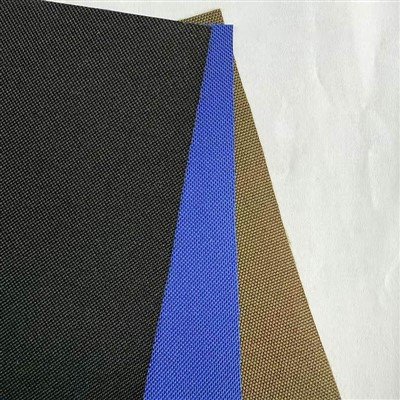
First, let’s start with a quick primer on what makes Oxford fabric unique, because that foundation helps make the differences between types make sense. Unlike plain weave fabrics (where weft threads pass over and under warp threads in a simple, alternating pattern), Oxford uses a basketweave variation. Typically, two fine weft threads are crossed over one warp thread, creating a slightly uneven, textured surface — the “basket” of two threads is what gives it that signature spongy, breathable feel. The earliest Oxford fabric, developed in Scotland in the 19th century, was plain cotton, used for dress shirts for Oxford University students, hence the name. Today, we mix fibers, adjust weave density, and add finishes to create varieties tailored to every application.
The most widely recognized type is Plain Cotton Oxford, often just called “Oxford shirt fabric” by designers. This is the classic, lightweight option you see in casual button-downs, work shirts, and loungewear. It’s made from 100% combed cotton, usually with a 2×1 basketweave structure that balances breathability and structure. What sets plain cotton Oxford apart is its versatility: it’s soft enough to wear all day, durable enough to stand up to repeated washing, and takes dye well, so it comes in everything from crisp whites to muted pastels and bold solids. As a supplier, we keep this stock in multiple weights (120 to 160 GSM, or grams per square meter) — lighter versions for summer shirts, heavier ones for year-round workwear. A common mistake new designers make here is assuming all plain Oxford is the same; we adjust the yarn count (how fine the individual threads are) to create hand feels ranging from crisp and formal to broken-in and casual, so it’s important to specify which weight works for your product.
Next up is End-on-End Oxford, sometimes called “speckled Oxford” for the subtle, heathered effect it creates. This isn’t a different weave structure, but a variation in how the yarns are dyed before weaving. Instead of all threads being the same color, warp threads (the lengthwise threads) are dyed one color, and weft threads (the crosswise threads) are dyed a contrasting lighter shade — usually off-white, cream, or pale gray. The 2×1 basketweave still creates that textured surface, but the mix of tones gives it a slightly more nuanced, less stark look than plain cotton Oxford. This makes it a popular choice for casual button-downs, unstructured blazers, and even table linens, where you want a touch of visual interest without being too loud. We often get requests for end-on-end Oxford from brands targeting millennial and Gen Z consumers, who gravitate toward understated, modern basics. It’s also more forgiving of minor wear than plain solid Oxford, which is a big plus for everyday items.
If you need something with a bit more durability and water resistance, look at Poly-Cotton Blend Oxford. This type mixes cotton with polyester, usually a 65/35 or 50/50 cotton-poly ratio, to combine the best of both fibers. Cotton adds softness, breathability, and the classic Oxford hand feel, while polyester adds strength, wrinkle resistance, and a lower cost. We’ve found poly-cotton Oxford is ideal for work uniforms, outdoor backpacks, and children’s clothing — items that need to hold up to heavy use and frequent washing without losing shape or fading too quickly. The downside? It’s less breathable than 100% cotton, so it’s not the best for summer shirts worn in hot climates, but it’s far more practical for industrial or active use. One tweak we’ve started offering as a supplier is a “soil-release finish” on our poly-cotton Oxford for workwear brands, which makes stains easier to wash out — a small addition that makes a big difference for customers.
Moving to a heavier, more rugged option: Dobby Oxford. Unlike the 2×1 basketweave of standard Oxford, dobby Oxford uses a dobby weave, a type of weave that can create small, repeating geometric patterns in the fabric, like diamonds, squares, or tiny stripes, without adding extra threads or bulk. This makes it more structured and rigid than plain Oxford, with a slight sheen that makes it look more formal than its casual cousin. Dobby Oxford is often used for structured shirts, blazers, and even upholstery, where you want the durability of Oxford fabric with a more polished appearance. We usually make dobby Oxford with medium to heavy weight (180 to 220 GSM) cotton or poly-cotton blend, so it’s perfect for outerwear linings or season-transition pieces like light jackets. A fun fact: the small patterns in dobby Oxford can be so subtle that many people don’t notice them at first glance, but they add depth to the fabric that elevates a design from basic to thoughtful.
For outdoor and active use, Water-Resistant Oxford is a game-changer. This isn’t just a weave variation — it’s a standard Oxford fabric (usually poly-cotton or even nylon-cotton blend) treated with a durable water repellent (DWR) finish, which causes water to bead up and roll off the surface instead of soaking in. Sometimes, we also coat the back of the fabric with a thin polyurethane layer for full waterproofing, though that can make it less breathable. This type is used for rain jackets, hiking backpacks, tent flys, and even pet gear. As a supplier, we test all our water-resistant Oxford to make sure the DWR finish lasts through at least 20 washes, because we know no outdoor brand wants their products to stop repelling water after a few uses. It’s important to note that water-resistant Oxford isn’t fully waterproof in heavy rain — that would require a heavier nylon or Gore-Tex fabric — but it’s perfect for light showers and everyday protection.
There’s also a less common but increasingly popular type: Stretch Oxford. Made by blending a small percentage of spandex (usually 2-5%) into the cotton or poly-cotton yarns, stretch Oxford adds just enough elasticity to make the fabric move with the wearer, instead of feeling stiff or restrictive. This is a huge hit for performance shirts, work pants, and even athletic casualwear, where comfort and mobility are key. We have to be careful with stretch Oxford, though — too much spandex can make the fabric lose its crisp Oxford shape over time, so we keep our blends balanced to preserve that signature feel while adding flexibility. Many of our activewear clients come to us specifically for stretch Oxford, because it’s more breathable and durable than 100% polyester performance fabrics, but offers the same freedom of movement.
Now, it’s worth clearing up a common confusion: Oxford vs. Broadcloth. A lot of people mix these two up, but they’re very different. Broadcloth uses a plain 1×1 weave (each weft thread crosses over one warp thread), so it’s smoother, lighter, and more formal than Oxford’s textured 2×1 weave. It’s thinner, too — usually under 120 GSM — so it’s perfect for dress shirts meant to be worn under suits, while Oxford’s extra texture and structure make it better for casual wear. As someone who’s worked with both fabrics for years, I’ve heard so many stories of buyers accidentally ordering broadcloth when they wanted Oxford, or vice versa, and being disappointed with the outcome. That’s why knowing the difference between these types of Oxford fabric is so critical.
As a supplier, the biggest lesson I’ve learned is that there’s no “best” type of Oxford fabric — only the right type for your product. A boutique shirt brand might opt for plain cotton Oxford for their high-end casual line, while a uniform company will choose poly-cotton blend Oxford for its durability, and an outdoor brand will go for water-resistant Oxford for backpacks. We’ve built our business by not just selling fabric, but helping our clients navigate these choices: we work with designers to adjust weights, blends, and finishes to fit their budget and performance needs, and we test every batch of fabric to make sure it meets consistent quality standards.

If you’re a designer, brand owner, or someone sourcing fabric for a new product, you know how important it is to get the right material — and that’s where we come in. Whether you’re looking for classic plain Oxford for your next shirt line, durable blend Oxford for work gear, or specialty stretch or water-resistant Oxford for active or outdoor products, we have the stock, expertise, and customization options to meet your needs. We welcome the chance to discuss your project in detail, answer any questions you have about Oxford fabric types, and help you find the perfect material for your products. Reach out to us to start the conversation about your fabric needs today.
600D Oxford Fabric References
- Textile Institute. (2018). Woven Fabric Construction and Properties. Textile Institute Press.
- Bradford, E. (2020). The History and Evolution of Oxford Fabric. Textile History Journal, 51(2), 189-204.
- Outdoor Industry Association. (2021). Technical Fabrics for Active and Outdoor Products. OIA Research Report.
- Cotton Council International. (2019). Cotton Blend Fabrics: Performance and Application. Cotton Council International Technical Bulletin.
Dongyang Huangxiu Leather & Plastic Co., Ltd.
With abundant experience, we are one of the most professional oxford fabric manufacturers in China. We warmly welcome you to wholesale customized oxford fabric made in China here from our factory. If you have any enquiry about quotation and free sample, please feel free to email us.
Address: Huangxiu Leather & Plastic Products, No. 79 Shunda Road, Huashui Town, Dongyang City, Zhejiang Province
E-mail: x372921764@163.com
WebSite: https://www.huangxiutextile.com/
