If you’ve ever walked into a K-12 classroom, a university library, or a vocational school workshop, you might not notice the thin, silvery frames lining the windows, holding up the partition walls, or capping the edge of the cafeteria’s canopy—but those are architectural aluminum profiles. For years, our team at this Architectural Aluminum Profile Supplier has heard architects and school district facilities managers ask the same question: can this lightweight, recyclable metal actually stand up to the demands of educational buildings? The short answer is yes, and it’s one of the most underrated, cost-effective, and versatile building materials you can use for schools, colleges, and trade facilities. Let’s break down why aluminum profiles work so well for learning spaces, where we use them in classrooms and campuses, and how they solve problems that other materials just can’t touch. Architectural Aluminum Profile

First, let’s talk about the core needs of educational buildings, because these aren’t office spaces or retail stores. Schools and universities are high-traffic, multi-use environments, occupied 10 hours a day, 5 days a week, plus weekends for events, after-school programs, and summer camps. They need materials that are durable enough to withstand sticky fingers, rough play, moving classroom furniture, and accidental bumps from wheeled carts and lab equipment. They also have to be safe, especially for younger kids—no sharp edges, no toxic fumes, no risk of chipping or peeling that could leave small parts lying around. And they have to be low-maintenance, because school budgets are tight, and facilities teams don’t have time to repaint walls, fix rotting wood frames, or replace rusted metal every other year. That’s exactly where aluminum profiles shine.
Let’s start with durability and longevity. Aluminum is a naturally strong metal, but when it’s extruded into custom profiles (the standard way we manufacture them for building projects), we can tailor the thickness and shape to be rigid, even without adding extra bulk. For classroom window frames, that means they can hold up to wind, temperature swings, and the occasional stray basketball hitting the glass without bending or cracking. Unlike wood, which warps in humid school cafeterias or rots if there’s a leak in the roof, aluminum is immune to that. Unlike steel, which rusts if the paint chips (a common issue in busy spaces where doors and frames get scratched), aluminum forms a self-protective oxide layer the second it’s exposed to air—no extra coating needed to prevent corrosion. In fact, aluminum profiles used in educational buildings can last 50+ years with minimal upkeep, which means schools don’t have to budget for full frame replacements every two decades, a huge win for long-term facilities planning. I’ve seen this firsthand: a middle school in rural Ohio we supplied frames to back in 2008 just recently renovated its science wing, and the original aluminum window and partition profiles were still in perfect shape, no rust, no warping, no need for sanding or repainting. That’s a huge contrast to the vinyl frames they used for the gym addition around the same time, which had started yellowing and cracking by 2018.
Next, safety is non-negotiable for educational spaces, and aluminum profiles check every box here. First, they’re non-toxic and non-porous, so they don’t harbor mold, mildew, or bacteria the way porous materials like wood or drywall can. That’s a big deal for health, especially in elementary schools where kids are often running around with dirty hands, or in science labs where spills of chemicals and lab reagents are common. Unlike some plastics, aluminum doesn’t off-gas volatile organic compounds (VOCs) that can trigger allergies or respiratory issues in students and staff. We also design our profiles with rounded edges wherever possible, especially for areas that are accessible to young children—no sharp corners on door frames, window sills, or partition edges to cause injuries during recess or busy hallway transitions. For specialized spaces like trade schools’ welding labs or robotics workshops, we can even coat aluminum profiles with a non-slip, scratch-resistant finish that stands up to heavy tool use and accidental impacts, far better than wood or plastic that can scratch easily or splinter when hit with hard materials.
Then there’s energy efficiency, which is a huge priority for school districts right now, as they try to cut utility costs and meet state energy codes for public buildings. Aluminum window and door profiles are extremely thermally efficient when we use them with thermal breaks—insulating strips that separate the inner and outer metal parts of the frame, preventing heat transfer between the inside of the building and the outside. That means in the winter, warm air doesn’t leak out through the windows, and in the summer, cool air from the HVAC system stays inside, reducing energy bills by 10-20% on average, according to the U.S. Department of Energy. For a large high school with 20+ classrooms, that adds up to tens of thousands of dollars in savings every year, money that can be redirected to textbooks, lab equipment, or teacher salaries. We recently worked with a community college in Texas to replace old, single-pane steel windows with aluminum thermal break profiles, and their utility manager reported a 18% drop in monthly HVAC costs within the first year—enough to fund two new tutoring positions for math and science students, no extra taxes needed. It’s not just windows, either: aluminum partition profiles that separate classrooms can be fitted with sound-absorbing panels, reducing noise transfer between classes so teachers don’t have to yell over a neighboring lesson, which makes learning easier for students.
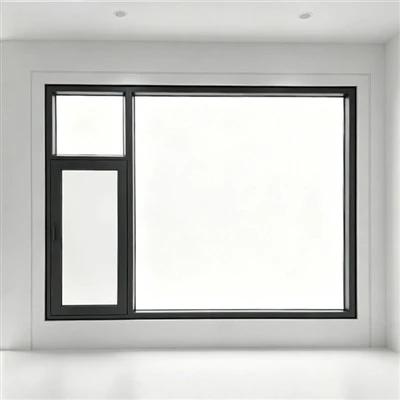
Now, let’s get specific about how aluminum profiles are actually used in different parts of educational buildings, because it’s not just for windows. We supply profiles for classroom door frames, both standard and wide enough to accommodate wheelchair access, which is required by ADA standards in the U.S. The low weight of aluminum makes it easier to install door hardware that’s accessible for students with disabilities, too. For partition walls that can be reconfigured as class sizes change (a common issue when schools have growing or shifting student populations), aluminum profiles make perfect framing—they’re lightweight enough to move, and they can be taken down and reassembled in a new layout without damaging the surrounding space, a huge plus compared to permanent concrete or cinder block walls. For cafeteria canopies and exterior walkways, aluminum profiles form the structural frame that supports the roof and holds up glazing panels, resisting the heavy snow loads common in northern states and the intense sun in southern ones without sagging or bending. Even for smaller, everyday uses: we make custom aluminum edge caps for stair treads that are slip-resistant and stand up to heavy foot traffic, and frames for display cases that hold student artwork, science fair projects, and honor roll certificates, since they’re lightweight enough to hang on drywall without reinforcing the wall.
Wait, but I know what some facilities managers are thinking: aluminum is expensive, right? Way more than wood or vinyl. But let’s do the math. Yes, the upfront cost of aluminum profiles is higher than some other materials, but when you factor in the long lifespan, lower maintenance, and energy savings, it’s actually more cost-effective over time. Let’s compare: a 5-foot window frame made of vinyl might cost $150 upfront, and it needs to be replaced every 20 years, with $50 in annual maintenance for cleaning and repainting. A comparable aluminum thermal break frame costs $250 upfront, lasts 50 years, and has almost no annual maintenance cost. Over 50 years, that’s $2,500 for vinyl vs. $250 for aluminum—no contest. And that’s not even including the energy savings we talked about earlier, which are ongoing year after year. For a school that plans to be in its building for decades, aluminum is an investment, not an expense. I’ve had more than one facilities director tell me that they regretted switching to cheaper materials for their last project because they’re already planning a full replacement, while the aluminum frames they installed 10 years ago are still working perfectly.
Another big plus is sustainability, which is important for many school districts that have green building goals. Aluminum is 100% recyclable, with no loss of quality when it’s melted down and reused—unlike plastic or steel, which can lose durability in recycling processes. In fact, about 75% of all aluminum ever produced is still in use today, mostly because it’s so easy to recycle. When a school is ready to renovate or replace aluminum profiles at the end of their lifespan, they can send the old frames back to a recycler instead of sending them to a landfill, reducing the building’s carbon footprint. We also source our aluminum from suppliers that use recycled content, so our profiles have a much lower embodied carbon footprint than new aluminum made from bauxite ore. For school districts that are pursuing LEED certification or state green building incentives, that’s a major advantage that can help them qualify for grants or tax breaks for sustainable construction.
Of course, every building material has its caveats, and aluminum profiles aren’t perfect for every job. For example, if you’re working on a historic school building that requires materials that match the original 100-year-old wood window frames, aluminum might not be the right choice for a full historic restoration, though we do make custom aluminum profiles that are designed to look like wood for aesthetic matches, if that’s a priority. Also, for very small projects, like replacing a single window in a home economics classroom, the upfront cost might not be worth it, but for large-scale campus renovations or new construction, the long-term benefits outweigh the initial cost. The key is working with an experienced supplier who can help you design profiles that meet your specific needs, whether that’s for a kindergarten classroom with extra safety features, a university research lab that needs corrosion-resistant profiles, or a trade school workshop that needs heavy-duty framing for equipment.
At the end of the day, educational buildings need to be spaces that support learning, keep students safe, and work within tight budgets. Architectural aluminum profiles check all those boxes: they’re durable enough for high traffic, safe for kids, energy-efficient to cut costs, sustainable for green goals, and flexible enough to be customized for every part of a campus. We’ve supplied hundreds of schools, colleges, and trade facilities across the country, and we’ve seen firsthand how aluminum profiles make buildings work better for students, staff, and facilities teams for decades.
If you’re planning a new educational building, or a renovation of an existing campus, and you’re interested in learning more about how architectural aluminum profiles can fit your project, reach out to our team for a consultation. We can help you explore design options, quote costs, and find solutions that match your specific needs and budget. We work with architects, general contractors, and facilities managers to make the process as smooth as possible, from initial design to final installation support.
Aluminum Fence References
American Institute of Architects (AIA). (2022). Sustainable Materials Guide for K-12 Educational Buildings.
U.S. Department of Energy. (2021). Thermal Performance of Window Frames and Energy Savings for Public Schools.
Aluminum Association. (2023). Architectural Aluminum Applications in Educational Facilities: Durability and Cost-Benefit Analysis.
Occupational Safety and Health Administration (OSHA). (2022). Safety Guidelines for Building Materials in Childcare and Educational Spaces.
National Education Association (NEA). (2021). Facility Cost Savings Analysis for K-12 Educational Building Materials.
Renqiu Zhongsheng Metal Products Co., Ltd.
Renqiu Zhongsheng Metal Products Co., Ltd. is one of the most professional architectural aluminum profile manufacturers and suppliers in China, featured by quality products and low price. Welcome to wholesale advanced architectural aluminum profile made in China here and get pricelist from our factory. Customized orders are welcome.
Address: Liuzhuang Village, Xinzhongyi Town, Renqiu City, Cangzhou City, Hebei Province
E-mail: info@zsaluminum-china.com
WebSite: https://www.zsaluminum-china.com/
