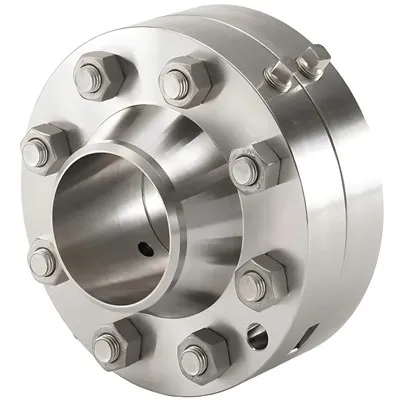
Hey there! I’m a guy running a forging supply business. Over the years, I’ve seen firsthand how simulation technology has revolutionized the forging process. In this blog, I’ll share with you how simulation helps in optimizing the forging process and why it’s a game – changer for us forging suppliers. Forging
Understanding the Basics of Forging
First off, let’s quickly go over what forging is. Forging is all about shaping metal by applying compressive forces. It’s a time – honored process that’s been around for ages. We use it to make all sorts of parts, from small components in machinery to big structural pieces. But here’s the thing: getting the forging process right isn’t easy. There are so many variables involved, like the type of metal, the shape we’re trying to achieve, and the forces we’re applying.
The Challenges in Traditional Forging
Before simulation came along, we relied on trial – and – error. We’d make a part, test it, and if it didn’t meet the requirements, we’d have to go back to the drawing board. This was not only time – consuming but also costly. We’d waste a lot of materials and manpower. And let’s not forget about the safety risks. Working with hot metal and high – pressure equipment is dangerous, and any mistakes could lead to serious accidents.
How Simulation Comes to the Rescue
Simulation is like having a crystal ball for the forging process. It allows us to create a virtual model of the forging process and test different scenarios without actually making the physical part. We can input all the variables, such as the material properties, the shape of the die, and the forging speed, and see how the metal will behave.
Material Flow Analysis
One of the key benefits of simulation is the ability to analyze material flow. In forging, we want the metal to flow evenly into the die to form the desired shape. Simulation can show us how the metal will flow during the forging process. If there are areas where the metal isn’t flowing properly, we can adjust the die design or the forging parameters before we start production. This helps us avoid defects like cracks, voids, and uneven thickness in the final part.
For example, let’s say we’re forging a complex – shaped gear. Simulation can show us if the metal is getting stuck in certain areas of the die. We can then modify the die design to improve the material flow, ensuring that the gear is forged with high precision.
Temperature Distribution
Temperature plays a crucial role in forging. If the metal is too hot, it can become too soft and lose its shape. If it’s too cold, it can be difficult to deform. Simulation can predict the temperature distribution during the forging process. We can see how the heat is transferred from the metal to the die and the surrounding environment. This allows us to optimize the heating and cooling processes.
We can adjust the pre – heating temperature of the metal and the cooling rate after forging to ensure that the final part has the right mechanical properties. For instance, if we’re forging a high – strength steel part, we need to control the temperature carefully to achieve the desired hardness and toughness.
Stress and Strain Analysis
Another important aspect of forging is the stress and strain that the metal experiences during the process. Simulation can calculate the stress and strain distribution in the metal. This helps us identify areas where the metal is under excessive stress, which could lead to cracking or other defects.
By analyzing the stress and strain, we can optimize the forging process to reduce the risk of failure. We can adjust the forging speed, the pressure applied, and the die geometry to ensure that the metal is deformed within its safe limits.
Cost and Time Savings
Simulation not only improves the quality of the forged parts but also saves us a lot of money and time. By identifying and fixing potential problems in the virtual model, we can avoid costly mistakes in the actual production. We don’t have to waste materials on trial – and – error runs, and we can reduce the time it takes to develop a new forging process.
For example, if we’re developing a new forging process for a large – scale production, simulation can help us optimize the process in a matter of days or weeks, instead of months. This means we can get the product to the market faster and at a lower cost.
Improved Safety
As I mentioned earlier, forging is a dangerous process. Simulation allows us to test different scenarios without putting our workers at risk. We can simulate the forging process under various conditions and identify potential safety hazards. This helps us design safer work processes and protect our employees.
Real – World Examples
I’ve seen simulation make a huge difference in our business. For one of our clients, we were tasked with forging a large – diameter shaft. Using simulation, we were able to optimize the die design and the forging parameters. The simulation showed us that the initial die design would cause the metal to flow unevenly, leading to potential defects. We made some adjustments to the die, and the final part came out perfectly. This not only saved us time and money but also impressed the client with the high – quality product.
Conclusion
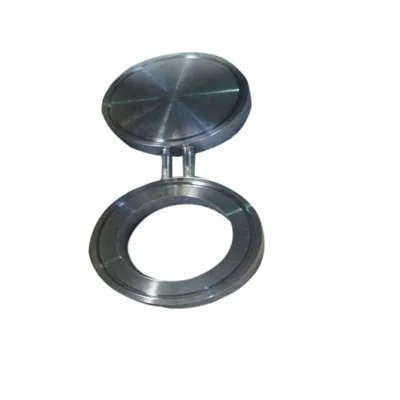
In conclusion, simulation is an invaluable tool for optimizing the forging process. It helps us improve the quality of our products, save costs, reduce production time, and enhance safety. As a forging supplier, I highly recommend using simulation technology in your forging operations.
Asme(ansi) B16.5 Flange If you’re in the market for high – quality forged parts and want to work with a supplier who uses the latest technology, I’d love to hear from you. Whether you have a small – scale project or a large – scale production, we’re here to help. Reach out to us to discuss your forging needs, and let’s work together to create the best – in – class forged products.
References
- Smith, J. (2018). "Advanced Forging Techniques and Simulation". Forging Industry Journal.
- Johnson, R. (2019). "The Role of Simulation in Modern Forging Processes". Manufacturing Technology Review.
- Brown, A. (2020). "Simulation – Based Optimization of Forging Operations". Materials Science and Engineering Journal.
Shanxi Xinshunda Flange Manufacturing Co., Ltd.
As one of the most professional forging manufacturers and suppliers in China, we also support customized service with competitive price. We warmly welcome you to wholesale high quality forging for sale here from our factory. For quotation, contact us now.
Address: Zhunagli Industrial Zone,jinchang Town,dingxiang,shanxi,china
E-mail: sales01@xinflange.com
WebSite: https://www.xinflange.com/
