As a concrete batching plant supplier, I get asked this question at least twice a week—most often by site managers who just invested in their first plant, or by older contractors who’ve been burned by dealers that vanish after the sale. I used to think after-sales service for concrete equipment was just “fixing things when they break,” but after 12 years working side-by-side with job sites from small residential pours to 100,000-cubic-meter highway projects, I’ve learned it’s the reason a plant doesn’t turn a tight deadline into a financial disaster. Let me walk you through what our after-sales process actually looks like, because I don’t want any of you guessing when the worst week of a pour hits. Concrete Batching Plant
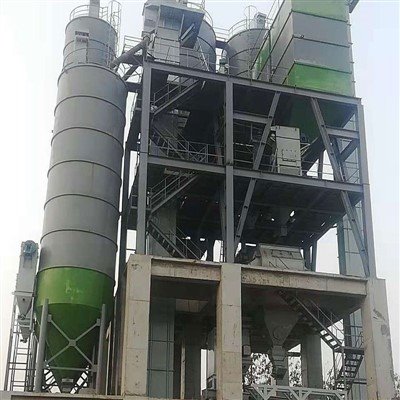
First, let’s get one thing straight: a concrete batching plant isn’t a toaster. It’s a piece of custom-tailored industrial equipment that has to run 12 hours straight, often in brutal heat or freezing cold, and every part—from the aggregate feeder to the computer that mixes the batch design—has to sync perfectly. If one part fails mid-pour, you’re not just stuck with idle time; you’re looking at a $50,000 concrete load that cures too stiff or too weak, plus penalty clauses that can sink a small business. That’s why our after-sales team doesn’t just have technicians—we have people who used to be site superintendents, who know exactly what it feels like when your pour window is shrinking and your plant is spitting out bad concrete.
The first layer of our after-sales is pre-launch support, which most suppliers call “training” but we call “making sure you don’t have to call us before you even start using the plant.” When a plant arrives on your site, we don’t just drop it and leave. Our installation crew stays for three full days, not just hooking up the wiring and calibrating the scales, but training two people on your team—one operator and one maintenance lead—on not just how to run the plant, but how to spot the small problems before they become big ones. I’ve seen so many operators overfill the cement hopper because they weren’t taught to watch the level sensor’s flashing light, and that leads to a clog that takes 8 hours to clear on a busy site. We also do a full test batch with your team—using the exact mix design you’ll use on actual jobs—so you can watch how the plant reacts, tweak settings, and ask every single question you didn’t think to write down before the installation team left. Last year, a small road contractor in Ohio told us that three weeks after his plant launched, his operator was able to fix a feeder alignment issue on his own because we’d had him adjust it during the test batch. That’s not just training—it’s giving you the confidence to not panic when a small problem pops up.
Next, there’s routine maintenance support, and this is where most suppliers cut corners. We don’t just send a free maintenance checklist at the start of each year—we have a scheduled remote monitoring tool built into every plant we sell. That’s not some fancy, overcomplicated system that only engineers can use; it’s a simple dashboard that tracks scale calibration, motor temperatures, mixer wear, and even when your water filter needs changing. If the remote system picks up a minor issue—like a scale being 2% off that could lead to inconsistent concrete—our service team flags it 7 days before it would become a problem, and we can walk your maintenance lead through adjusting it over a call, no trip needed. For bigger maintenance, like replacing mixer blades or greasing the aggregate conveyor, we have a network of local technicians in every region we serve, and we guarantee they’ll reach your site within 24 hours of your call—even if it’s a Saturday, even if it’s a holiday. Last winter, a bridge project in Pennsylvania had a gearbox failure on their plant at 2 a.m. before a 1,000-cubic-meter pour. Our local tech showed up in 18 hours, brought the exact replacement part (we keep a stock of high-wear parts at regional warehouses to cut down on shipping time), and had the plant running by that evening. The project didn’t miss a single hour of their schedule, and they didn’t have to pay emergency after-hours fees that would’ve been 3 times the regular cost. We also offer annual on-site maintenance packages that are customized to your plant’s usage—if you’re running your plant 6 days a week on large highway projects, we’ll do quarterly visits instead of yearly, and replace high-wear parts like belts and bearings before they break.
Then there’s emergency repair support, and this is the part that makes or breaks a contractor’s trust. Let’s be real: even with all the pre-launch training and remote monitoring, things go wrong. Motors burn out, wiring frays, mixers seize up when they’re left full of concrete (a common mistake new operators make). When that happens, our priority is getting your plant back up and running as fast as possible, not marking up parts or charging exorbitant rates. We keep a 90% stock of replacement parts for all our plant models at our central warehouses, and same-day shipping is standard for any part that’s not in a local warehouse. We also have a 24/7 support line that’s answered by a concrete batching plant expert—not a call center rep who’s never seen a plant. When you call at 10 p.m. on a Tuesday, you’ll talk to someone who knows the difference between a screw conveyor clog and a mixer bearing failure, who can walk you through quick fixes over the phone if possible, and who can arrange for a technician to be on site if the problem needs hands-on work. I’ll never forget a call from a residential concrete contractor in Florida a few years ago—his plant’s control computer died the night before he was supposed to pour 200 cubic meters of foundation for a new apartment complex. Our tech worked with him remotely to access a backup control program, had the plant running in 2 hours, and shipped a replacement computer that arrived the next morning, with our technician installing it that same afternoon so he didn’t have to pause his pour. That’s the kind of service that turns a one-time customer into someone who calls us for their next two plants.
Another part of after-sales that people overlook is upgrade and adaptability support. Concrete mix designs change all the time—new sustainability rules are requiring lower cement content, or you get a new project that needs specialty mixes like high-strength or pervious concrete. We don’t sell you a plant and leave you stuck with outdated technology. Our after-sales team can help you update your plant’s software to accommodate new mix designs, add features like admixture dispensers or recycling systems to cut down on waste, or even modify the plant’s size if your business grows. Last year, a contractor in Texas expanded from small residential pours to large commercial projects, so he added a second aggregate bin to his existing plant with our help—we adjusted the control system, trained his team on the new bin, and charged him a fraction of what it would’ve cost to buy an entirely new plant. We also offer retrofit programs for older plants that aren’t even from us—if you bought a plant from another supplier and are having trouble with mix consistency or downtime, we can send a team to assess it, upgrade the scales or control system, and get it running like new without the cost of a replacement.
At the end of the day, what makes our after-sales different is that we don’t see ourselves as just equipment sellers—we see ourselves as your partner on the job. I know how tight profit margins are in the construction industry, how one delayed pour can eat into your whole quarter, how an unexpected repair can throw off your entire schedule. That’s why every part of our after-sales is built around reducing that risk for you. We don’t just sell a concrete batching plant; we sell the peace of mind that when something goes wrong (because let’s be honest, it will), you have a team that has your back.
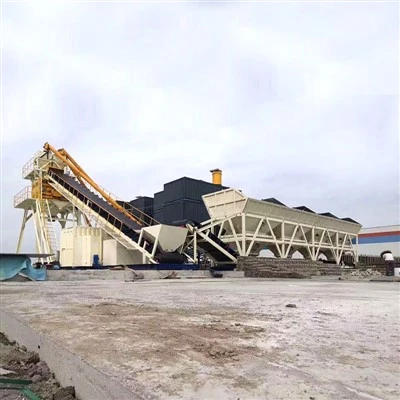
If you’re in the market for a new concrete batching plant, or you’re looking to improve the support for your existing one, we’d be happy to walk you through our after-sales process in more detail, answer any questions you have, and help you find a solution that fits your specific projects and budget. Whether you’re a small local contractor with one plant or a large commercial group with multiple sites, we tailor our support to your needs, not a one-size-fits-all package. Don’t let a bad after-sales experience ruin your next big project—reach out today to start the conversation.
Triple Cylinder Rotary Dryer References
- National Ready Mixed Concrete Association. (2022). Best Practices for After-Sales Support of Concrete Batching and Mixing Equipment. NRMCA Technical Bulletin.
- Construction Equipment Association. (2021). The Economic Impact of After-Sales Services on Small and Medium-Sized Construction Businesses. CEA Industry Report.
- International Society of Concrete Technology. (2023). Maintenance and Calibration Protocols for Industrial Concrete Batching Plants. ISCT Guidelines for Industrial Concrete Production.
Zhengzhou Tongding Machinery Equipment Co., Ltd.
Zhengzhou Tongding Machinery Equipment Co., Ltd. is one of the most professional concrete batching plant manufacturers and suppliers in China, featured by quality products and good price. Please rest assured to buy CE approved concrete batching plant made in China here and get quotation from our factory. Also, customized service and 5 years warranty are available.
Address: Kexue Avenue Industrial Park, Xingyang City, Zhengzhou City, Henan Province
E-mail: admin@tongdingmachine.com
WebSite: https://www.td-machinerygroup.com/
