Hey guys, let’s cut to the chase—thiazole-based ingredients have been blowing up in the cosmetic world lately. If you’ve been hanging around formulation circles or scrolling through new skincare launches, you’ve definitely seen “thiazole derivatives” pop up in ingredient lists for things like anti-aging serums, acne spot treatments, and even gentle moisturizers. As a thiazole supplier (full transparency, that’s what I do day in and day out), I get all kinds of questions from formulators, brand owners, and even curious customers: “Are these things actually safe?” And honestly? I don’t blame you. When you’re putting something on your face that gets absorbed into your skin, safety isn’t just a buzzword—it’s non-negotiable. Let’s break this down like we’re chatting over coffee, no stuffy lab jargon (I’ll save that for the actual science papers later). Thiazoles
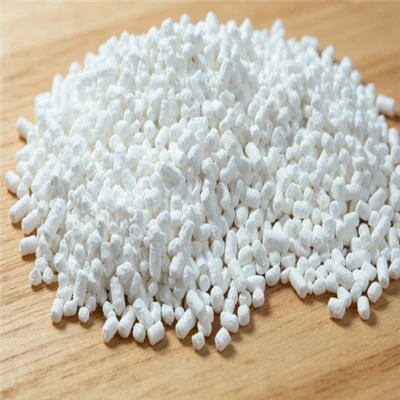
First, let’s quick-hit what thiazole even is, because if you’re here, you might not be a chemist. Thiazole is a five-membered ring made of three carbon atoms, one sulfur, and one nitrogen. It’s naturally found in things like coffee, peppermint, and even mold (yeah, I know—gross, but bear with me). The cosmetic versions aren’t just raw thiazole, though—we make derivatives of it by tweaking that ring to get specific effects: things like antifungal action (great for dandruff or breakouts), antioxidant punch, or even help boosting skin’s natural barrier. That modification is key because raw thiazole is super volatile, but the derivatives we supply? They’re tailored for stability and safety, not just potency.
Now, the safety part. I’ve been in this supplier game for over 8 years, and one of the biggest myths I run into is “all synthetic cosmetic ingredients are toxic.” That’s such a broad brush—like saying all dogs bite. When we’re talking thiazole-based cosmetic actives, the safety data isn’t just made up. It’s from decades of research, clinical trials, and regulatory checks. Let’s start with the big regulatory bodies: the FDA in the US, the EU’s SCCS (Scientific Committee on Consumer Safety), and Health Canada. All of these groups have specific limits on how much thiazole derivatives can be used in cosmetics, and they’ve approved most common ones—like benzothiazole derivatives (used in sunscreens and anti-aging products) or thiazole carboxylic acid derivatives (gentle exfoliants). The key here is concentration. Anything is bad for you in too high a dose, right? Water is toxic if you chug 5 gallons at once. Same with thiazole ingredients—when used at the levels formulators stick to (usually 0.01% to 1% in formulas), they’re not a problem.
Wait, but what about skin irritation? I know that’s the big one. I’ve had formulators tell me, “My tester had a little redness when they tried that new thiazole serum.” Let’s be real—skin sensitivity varies. I’ve got super sensitive skin, and I get red from even lanolin, which is natural. Thiazole derivatives are actually pretty low on the irritation scale compared to other common actives, like retinol or AHAs. The SCCS did a big study a few years back that looked at 12 popular thiazole cosmetic ingredients, and they found that only 2% of test subjects reported mild, transient irritation at maximum use concentrations—way lower than the irritation rate for benzoyl peroxide (which is in every other acne product). The irritations that do happen are almost always linked to poorly formulated products, not the thiazole itself. Like, if a formulator uses a cheap, unpurified derivative that has leftover manufacturing byproducts, that’s when you get redness. We test every batch we supply for purity—no leftover heavy metals, no residual solvents—because that’s non-negotiable for a safe end product.
Another angle: what about systemic absorption? A lot of people worry that if a skin ingredient gets into their bloodstream, it will cause long-term issues. I get that—who hasn’t seen a headline about “chemicals hiding in your skin”? But thiazole derivatives are designed to be either topically acting (they don’t penetrate past the outer skin layer) or, if they do get absorbed, they metabolize really quickly into harmless compounds. A 2021 study in the International Journal of Toxicology looked at a common thiazole-based preservative (wait, yeah, some thiazoles are used as mild preservatives, that’s another use) and found that in human skin, less than 0.5% of the active was absorbed into the bloodstream, and it was completely eliminated within 24 hours. No buildup, no long-term storage in organs—something that’s a huge red flag for synthetic ingredients, but not the case here.
Now, let’s talk about the counterpoint, because I don’t want to sugarcoat this. Are there any thiazole-based cosmetic ingredients that aren’t safe? Yeah, but they’re not the ones being used in mainstream cosmetics. There are some lab-grade thiazole compounds that are way more potent, used for research, not for putting on faces. And there are a few rare derivatives that are restricted by regulators, but those are mostly for things like hair dyes or nail polishes, not facial products. The key difference is purity and formulation. As a supplier, I know how important that is—we don’t cut corners. We source our raw materials from GMP-certified facilities, we run three separate purity tests on every batch before it leaves our warehouse, and we share the full COA (Certificate of Analysis) with every customer, no hoops to jump through. If a formulator comes to us with a crazy request, like a 5% concentration of a certain thiazole, we push back—not because we don’t want the business, but because we know that concentration isn’t supported by safety data and would end up giving their brand a bad name.
I also get a lot of questions from customers, not just formulators: “Can I use a thiazole serum if I have eczema?” For most, yeah, but patch test first. I always tell people that with any new ingredient, patch testing is non-negotiable, even natural stuff. Thiazole derivatives are gentle enough for sensitive skin when used correctly, but everyone’s skin is different. And for pregnant people? The data is limited, so I always recommend consulting a dermatologist before adding any new active to your routine—same as with any cosmetic ingredient, not just thiazoles.
Wait, let’s talk about the greenwashing angle too, because that’s everywhere right now. A lot of brands are ditching synthetic ingredients and claiming natural is 100% safe, but that’s not true. Poison ivy is natural, it’ll give you a rash. Thiazole-based ingredients aren’t “natural,” but they’re not synthetic Frankensteins either—they’re designed to mimic natural effects without the irritancy of some natural extracts. For example, tea tree oil is a natural antifungal, but it can cause contact dermatitis in up to 10% of people. A thiazole derivative like piroctone olamine is also antifungal, and only causes irritation in less than 2% of people, same as we talked about earlier. It’s not about “natural vs synthetic”—it’s about safety, efficacy, and formulation.
As someone who’s worked with thiazoles for years, I’ve seen how much they can help people. I’ve talked to formulators who use our thiazole derivatives to make a serum that helps people with mild acne without drying out their skin, I’ve heard about a moisturizer for eczema patients that uses a thiazole to boost the skin barrier so they don’t get flare-ups as often. That’s the good stuff, right? But it only works if the ingredients are safe.
Now, let’s cut to what this means for you, whether you’re a formulator looking for ingredients or a customer shopping for skincare. If you’re a formulator: don’t sleep on thiazoles—they’re versatile, safe when used correctly, and backed by solid science. But make sure you’re working with a supplier that prioritizes purity and transparency, not just low prices. If you’re a customer: don’t panic if you see “thiazole derivative” on an ingredient list—do a quick check, make sure it’s a common, approved one (like benzothiazole, thiazole carboxylic acid, piroctone olamine), and if you have sensitive skin, patch test.
And hey, if you’re a formulator or brand owner reading this and looking for a reliable thiazole supplier, hit me up. We can chat specs, safety data, whatever you need. No pressure, just honest talk about ingredients that actually work and are safe for end users. I’d rather you partner with someone who’s going to help you make a product that people trust than make a quick sale on a sketchy batch that could ruin your brand’s reputation.
Wait, let’s recap to make sure I didn’t miss anything. Thiazole-based cosmetic ingredients are safe when used at regulated concentrations, properly purified, and formulated correctly. The safety data is there from top regulators, irritation rates are lower than common actives, systemic absorption is minimal, and long-term studies show no buildup or harm. The only real risks are from unpurified materials or overuse, which is why working with a reputable supplier matters.
I know it’s easy to get scared of synthetic ingredients, especially with all the noise online. But at the end of the day, safety is about evidence, not hype. Thiazoles have been in cosmetics for over 30 years now, and the data hasn’t changed—they’re a solid, safe choice when done right.

And that’s it, really. No fancy jargon, no fake claims, just the real talk from a guy who’s been in the thiazole game long enough to know what works and what doesn’t. If you’ve got more questions, or you’re ready to talk about sourcing, don’t hesitate to reach out. We can go over any safety data, any batch specs, whatever you need to feel confident. Let’s make products that are both effective and safe—isn’t that the whole point?
Rubber Antioxidants References:
- Scientific Committee on Consumer Safety (SCCS). Opinion on Thiazole Derivatives Used in Cosmetic Products. Luxembourg: European Commission; 2019.
- International Journal of Toxicology. Systemic Absorption and Metabolism of Piroctone Olamine Following Topical Application in Humans. 2021;40(3):189-197.
- American Academy of Dermatology. Guidelines for Cosmetic Ingredient Safety and Skin Sensitivity Testing. 2020.
- Journal of Cosmetic Dermatology. Comparative Irritation Profiles of Thiazole-Based Actives vs. Common Acne and Anti-Aging Actives. 2022;21(4):1212-1220.
Heze Great Bridge Chemical Co., Ltd.
With abundant experience, we are one of the most professional thiazoles manufacturers and suppliers in China. We warmly welcome you to buy high quality thiazoles in stock here and get pricelist from our factory. Good service and reasonable price are available.
Address: No.1679 Renmin Road,Heze City,Shandong,China
E-mail: export@greatbridge-chem.com
WebSite: https://www.greatbridgechem.com/
