If you’ve ever stood on the floor of a plastic processing plant—listened to the low hum of extruders, watched molten resin flow through custom dies, smelled the familiar mix of polymer and warm metal—you know that even the most high-tech production lines depend on the quiet, unglamorous work of plastic feeding equipment. For nearly a decade, I’ve run a small but focused supply business specializing in this exact gear, and I’ve learned that the biggest mistake new plant owners make is treating feeders as an afterthought. A poorly calibrated feeder doesn’t just cause inconsistent plastic parts; it wastes raw material, slows production, and can even damage expensive equipment. Today, I want to break down the main types of plastic feeding equipment, explain when each works best, and pull back the curtain on why choosing the right one is non-negotiable for your bottom line. Plastic Feeding Equipment
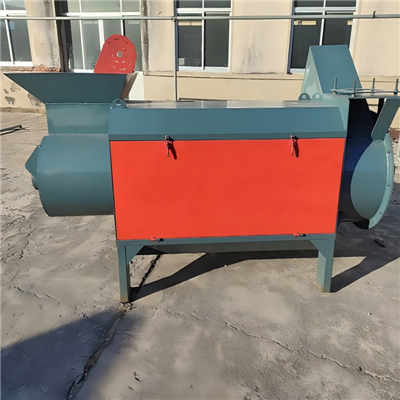
First, let’s ground this in what plastic feeding actually does. No matter if you’re making food packaging film, automotive bumpers, toy parts, or industrial PVC pipes, your process starts with dry, granular or powdered plastic resin. That resin comes in huge, palletized sacks or gaylord bins, and it has to be moved from storage silos or bulk containers to extruders, injection molding machines, blow molders, or blend lines at a precise, consistent rate. Feeders are the metering and transport system that makes that happen. Without them, you’d either add too much resin (wasting thousands in material per shift) or too little (leading to part defects that get rejected during quality control).
Let’s start with the most common type: Gravimetric Feeders. These are the workhorses for precision processing, and they’re the ones I sell the most of to customers making parts for medical devices or automotive components—applications where even a 0.5% variance in resin mix can ruin a part. What makes gravimetric feeders different is that they weigh the material in real time, adjusting their output to hit a set weight per unit time. Most modern models have two hoppers: one for the base resin (like PE or PP) and one for additives (color masterbatch, stabilizers, or impact modifiers). The feeder monitors the weight of each hopper continuously, so if the additive hopper runs a little low, it slows its feed rate automatically to keep the ratio exact. I’ve had customers switch from volumetric to gravimetric feeders and cut their material waste by 12-15% within the first three months. The only caveat here is that they’re more expensive upfront than other types, and they need regular calibration—about once every 30-60 days, depending on how often you run your line. If you’re running high-volume, high-precision production, this is the way to go. I once had a medical device client that was getting 8% defective parts a month because their old feeder was under-dosing a UV stabilizer; swapping to a gravimetric feeder fixed that almost overnight, and they saved more than enough in rework costs to pay for the unit in two months.
Next up: Volumetric Feeders. If you’re new to plastic processing or running lower-volume lines where precision isn’t make-or-break, this is your go-to. Volumetric feeders work on volume, not weight—they meter material by a consistent screw speed or auger rotation, delivering a fixed volume of resin per minute. They’re cheaper than gravimetric feeders, simpler to operate, and require less calibration (usually just a quick check every quarter). I sell these to small mold shops, custom extrusion lines, and startup product teams that aren’t ready to invest in high-end precision gear. That said, they’re not perfect. Their accuracy can drift if the resin’s bulk density changes—for example, if you switch from a new batch of PE pellets that are slightly denser than the last one, the volumetric feeder will deliver less actual material by weight, even though the volume is right. I always tell customers buying volumetric feeders to pair them with a quick spot check once a shift: grab a sample of resin from the feeder’s outlet, weigh it, and adjust the screw speed if it’s off by more than 2%. For low-volume runs, that’s a small tradeoff for the lower cost and ease of use, but I never recommend them for anything that needs tight material ratios. I had a small packaging company buy two volumetric feeders for their snack film line a couple years back; they were happy with them until they switched to a new natural resin, and suddenly their film had inconsistent color because the masterbatch ratio was off by 10%. We upgraded one of the units to a mini gravimetric feeder for additives, and the problem was solved immediately.
Another type I see a lot of confusion about is Tray Feeders (also called Pan Feeders or Batch Feeders). These are the workhorses for feeding bulk, large-volume materials, like recycling plastic flakes or regrind. Instead of metering material continuously, tray feeders use a reciprocating pan that moves back and forth, scooping up a set amount of material and depositing it into the process line. They’re especially useful for abrasive materials, like ground PVC or post-consumer plastic, because the pan is made of heavy-duty steel or abrasion-resistant rubber that stands up to wear better than augers or screws. I sell tray feeders mostly to recycling facilities and plants that use a lot of regrind, which is a big growth area right now as more companies shift to sustainable packaging and parts. The downside is that they’re not precise enough for additive dosing or high-precision base resin feeding—they’re meant for bulk, low-control feeding where consistency is secondary to moving a lot of material fast. I had a client that was trying to use a tray feeder to feed base resin for their automotive interior parts a year ago, and they ended up with 15% defect rates because the feed rate fluctuated so much. We swapped it for a small gravimetric feeder for the base resin, and kept the tray feeder for their regrind, which was exactly what they needed.
Then there’s Blending-Specific Feeders, which are a subcategory that’s grown a lot in the last decade. When you’re mixing multiple materials—like base resin, color masterbatch, and two different additives—you need feeders that are designed to work together to keep each component’s ratio exact. These are often modular, so you can add or remove hoppers depending on your needs, and they sync up to a central control panel that lets you program all the ratios at once. Some blending feeders are gravimetric, some are volumetric, but the key difference is that they’re engineered to coordinate multiple feeders so they don’t conflict. For example, if the base resin feeder slows down a little, the additive feeders automatically slow down too, so the ratio stays the same. I work with a lot of custom molder clients that run short runs for different products, so they love these because they can switch between a 4-component mix for a food container and a 3-component mix for a toy part in 10 minutes, without having to recalibrate each feeder individually. The only thing to watch here is that you don’t overload the system—if you’re mixing more than 5 components, you might need a specialized system, not just standard blending feeders, so it’s good to have a conversation with a supplier about your specific mix needs before buying.
Wait, I should also mention Vacuum Transfer Feeders, because a lot of people group transfer systems with feeding equipment, and they’re critical for keeping lines running smoothly. Vacuum feeders don’t meter material—they move it from storage silos or gaylord bins to the process machines. They use a blower to create negative pressure, pulling resin through a series of pipes to the hoppers on your extruder or molder. This is a huge time-saver, because it eliminates the need for workers to haul heavy 50-pound sacks of resin around the plant. Vacuum feeders also keep the plant cleaner, since they don’t spill resin on the floor, and they can filter out dust and debris before the resin reaches your process. I sell both central vacuum systems (which serve multiple machines in a plant) and individual vacuum feeders for single lines. One of my biggest clients is a blow molding plant that has 8 production lines; we installed a central vacuum system three years ago, and they reduced their material spillage by 90% and cut their material handling labor by two full-time positions. The only downside is that they require regular maintenance—you have to clean the filters every month, and check for clogs in the pipes, but that’s a small cost compared to the labor savings.
Now, let’s talk about how to pick the right feeder for your operation, because I know a lot of new plant owners get overwhelmed by the options. First, ask yourself two main questions: How precise does your material ratio need to be, and what type of material are you feeding? If you’re making medical parts, automotive parts, or anything where quality is non-negotiable, gravimetric is the only way to go, even if it’s a little more expensive. If you’re running low-volume custom jobs or feeding abrasive regrind, volumetric or tray feeders will work. If you’re moving material around your plant, vacuum feeders are a must. Also, don’t forget about integration: if you have an existing control system for your line, make sure the feeder you buy can sync with it, so you don’t have to deal with separate controls that add complexity.
I’ve been in this business long enough to know that there’s no one-size-fits-all solution. A feeder that works great for one plant will be a disaster for another. Last year, a plant manager called me panicking because their new gravimetric feeder was causing frequent shutdowns—turns out they had a lot of static in their regrind, so the resin was clumping and clogging the feeder’s hopper. We installed a static eliminator for the hopper, and the problem was fixed in a week. That’s the kind of thing you only learn from experience, which is why a lot of my repeat customers come back because I don’t just sell them a feeder—I work with them to troubleshoot their specific setup.
If you’re in the market for plastic feeding equipment, don’t make the mistake of buying based solely on price. A cheaper volumetric feeder might seem like a good deal upfront, but if it causes part defects or wasted material, it will cost you thousands more in the long run. And don’t ignore maintenance: every feeder needs regular checks, calibration, and cleaning. I include a free 30-day maintenance check with every feeder I sell, because I want my customers to get the most out of their investment.
Plastic Drying Equipment At the end of the day, plastic processing is all about consistency. Your feeders are the first link in your production chain, and if they’re not working right, nothing that comes after will be either. Whether you need a single volumetric feeder for a small custom line, a multi-component gravimetric blending system for a high-volume automotive plant, or a central vacuum transfer system for your entire facility, I can help you find the right solution for your needs. The best part about working in this space is that I get to help small startups and large established plants alike make their production smoother, more efficient, and less expensive. If you’re looking to upgrade your feeding equipment or just want to talk through what type is right for your operation, don’t hesitate to reach out to discuss your requirements. I’m here to help you make a decision that works for your business, not just sell you the most expensive unit on the market.
References
- Giles, G. A., & Wagner, J. R. (2015). Extrusion: The Definitive Processing Guide and Handbook. William Andrew Publishing.
- Rosato, D. V., & Rosato, M. G. (2004). Plastic Product Material and Process Selection Handbook. Elsevier.
- plasticsUSA. (2022). “Innovations in Polymer Processing Equipment and Controls”. National Association of Manufacturers.
- Harper, C. A. (2002). Handbook of Plastics, Elastomers, and Composites. McGraw-Hill.
- The Society of Plastics Engineers (SPE). (2021). “Feeding and Blending Technologies for Modern Plastics Processing”. Annual Technical Conference Proceedings.
Laizhou Yuening Machinery Co., Ltd.
As one of the most reliable plastic feeding equipment manufacturers in China, we warmly welcome you to buy cheap plastic feeding equipment made in China here from our factory. All customized machines are with high quality and low price. For pricelist, contact us now.
Address: Yuanjia Village, Luwang, Shahe Town, Laizhou City, Yantai City, Shandong Province
E-mail: yueningjixie@163.com
WebSite: https://www.ynplasticmachinery.com/
