In the ever – evolving landscape of healthcare, diagnostic and surgical devices play a pivotal role in ensuring accurate diagnoses and effective treatments. As a supplier of diagnostic and surgical devices, I’ve had the privilege of witnessing firsthand how these cutting – edge tools are transforming the medical field. In this blog, I’ll delve into the definition of diagnostic and surgical devices, explore their types, and highlight their significance in modern medicine. Diagnostic and Surgical Device
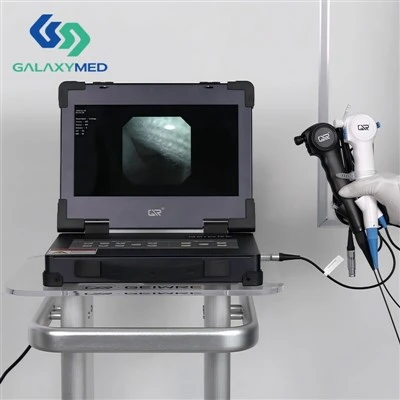
Defining Diagnostic and Surgical Devices
Diagnostic and surgical devices are medical instruments, apparatuses, implants, or software that are used for various medical purposes. These devices are specifically designed to aid healthcare professionals in diagnosing, treating, and monitoring patients.
Diagnostic devices are those that help in identifying diseases, conditions, or injuries in patients. They range from simple tools like thermometers and stethoscopes to complex imaging machines such as MRI scanners and CT scanners. The primary function of diagnostic devices is to provide accurate and timely information about a patient’s health status so that appropriate treatment can be prescribed.
On the other hand, surgical devices are used during surgical procedures. They include a wide range of tools, from scalpels and forceps to robotic surgical systems. Surgical devices are designed to assist surgeons in performing operations with precision, minimizing trauma to the patient, and improving surgical outcomes.
Types of Diagnostic Devices
Laboratory Diagnostic Devices
These devices are used in clinical laboratories to analyze biological samples such as blood, urine, and tissue. For example, a hematology analyzer is used to count different types of blood cells, which can help in diagnosing conditions like anemia or leukemia. A microbiology incubator is used to grow bacteria and other microorganisms from patient samples, enabling the identification of infectious agents.
Imaging Diagnostic Devices
Imaging devices are crucial for visualizing the internal structures of the body. X – ray machines use electromagnetic radiation to create images of bones and some soft tissues. Ultrasound devices use high – frequency sound waves to produce real – time images of organs and blood vessels. MRI scanners and CT scanners provide detailed cross – sectional images of the body, which are useful for diagnosing a wide range of conditions, including tumors, fractures, and neurological disorders.
Point – of – Care Diagnostic Devices
These are portable devices that can be used at the patient’s bedside or in a non – laboratory setting. For instance, a glucometer is a point – of – care device used by diabetic patients to measure their blood glucose levels. Pregnancy test kits are also point – of – care devices that can provide quick and easy results.
Types of Surgical Devices
Handheld Surgical Instruments
These are the most basic and commonly used surgical devices. Scalpels are used for making incisions, while forceps are used for grasping tissues. Scissors are used for cutting tissues, and retractors are used to hold back tissues and organs to provide better access to the surgical site.
Powered Surgical Instruments
Powered surgical instruments use electricity, compressed air, or other power sources to perform specific tasks. For example, a surgical drill is used to create holes in bones during orthopedic surgeries. An electrocautery device is used to cut and coagulate tissues by applying electrical current, which can help reduce bleeding during surgery.
Robotic Surgical Systems
Robotic surgical systems are the latest innovation in surgical technology. These systems allow surgeons to perform minimally invasive surgeries with enhanced precision and control. The robotic arms can be programmed to perform complex movements, and the surgeon controls the system from a console. Robotic surgery has several advantages, including smaller incisions, less pain, shorter hospital stays, and faster recovery times for patients.
The Significance of Diagnostic and Surgical Devices in Modern Medicine
Improving Diagnostic Accuracy
Diagnostic devices have significantly improved the accuracy of disease diagnosis. With the help of advanced imaging and laboratory tests, healthcare professionals can detect diseases at an early stage, when they are more treatable. For example, early detection of cancer through mammography or colonoscopy can increase the chances of successful treatment.
Enhancing Surgical Outcomes
Surgical devices have also revolutionized the way surgeries are performed. The development of minimally invasive surgical techniques, enabled by advanced surgical devices, has reduced the risk of complications and improved patient outcomes. Robotic surgical systems, in particular, have allowed surgeons to perform complex procedures with greater precision, leading to better results and faster recovery times.
Personalized Medicine
Diagnostic and surgical devices are also playing a key role in the development of personalized medicine. By analyzing a patient’s genetic makeup, metabolic profile, and other factors, healthcare providers can tailor treatment plans to the individual needs of each patient. Diagnostic devices such as genetic sequencing machines are essential for this process, as they provide the necessary information about a patient’s genetic and molecular characteristics.
Challenges and Future Trends
Despite the many benefits of diagnostic and surgical devices, there are also some challenges. One of the main challenges is the high cost of these devices, which can limit access to healthcare, especially in developing countries. Another challenge is the need for specialized training to use these devices effectively. Healthcare professionals need to be well – trained in the operation and maintenance of these devices to ensure optimal performance.

Looking to the future, we can expect to see continued innovation in the field of diagnostic and surgical devices. There will be a greater focus on developing more portable, affordable, and user – friendly devices. For example, there is ongoing research in the development of wearable diagnostic devices that can continuously monitor a patient’s health status. In the surgical field, we can expect to see further advancements in robotic surgery, such as the development of more autonomous surgical systems.
Contact for Procurement and Discussion
Diagnostic and Surgical Device As a supplier of high – quality diagnostic and surgical devices, I understand the importance of having reliable and innovative medical tools in healthcare facilities. If you are interested in learning more about our products or would like to discuss procurement options, I encourage you to reach out. Our team of experts is ready to provide you with detailed information, product demonstrations, and competitive pricing. Let’s work together to improve healthcare outcomes with the latest diagnostic and surgical technologies.
References
- Medical Device Handbook. Editors: John G. Webster.
- Diagnostic and Medical Imaging Physics: A Handbook for Teachers and Students. IAEA.
- Surgery: Basic Science and Clinical Evidence. Editors: Steven M. Strasberg, Christopher C. Marble, George S. Taffel.
Galaxymed Technology Co., Ltd.
As one of the most professional diagnostic and surgical device suppliers in China, we’re featured by good quality products and in-time service. Please rest assured to buy hospital grade diagnostic and surgical device made in China here and get quotation from our factory. Also, small qty acceptable.
Address: 88 Dongchang Road, Suzhou Industrial Park, Suzhou City, Jiangsu Province, China
E-mail: Sales@galaxymed.com.cn
WebSite: https://www.galaxy-medic.com/
