Hey there! I’m an acoustic wall panel supplier, and I’ve seen firsthand how these panels can transform a space. Whether you’re looking to reduce noise in a home theater, create a more productive office environment, or enhance the acoustics in a recording studio, installing acoustic wall panels is a great solution. In this blog post, I’ll walk you through the process of installing acoustic wall panels step by step. Acoustic Wall Panel
Step 1: Measure Your Space
Before you start installing acoustic wall panels, you need to measure the area where you want to install them. This will help you determine how many panels you need to purchase. Use a tape measure to measure the length and height of the wall. Multiply these two measurements to get the total square footage of the wall.
Once you have the total square footage, you can determine how many panels you need. Most acoustic wall panels come in standard sizes, such as 2 feet by 4 feet or 4 feet by 8 feet. Divide the total square footage of the wall by the square footage of each panel to get the number of panels you need. Make sure to round up to the nearest whole number to ensure you have enough panels.
Step 2: Choose the Right Panels
There are several types of acoustic wall panels available on the market, each with its own unique features and benefits. When choosing acoustic wall panels, you need to consider several factors, such as the type of noise you want to reduce, the style of the room, and your budget.
- Fiberglass Panels: Fiberglass panels are one of the most popular types of acoustic wall panels. They are made of fiberglass insulation and are covered with a fabric or vinyl facing. Fiberglass panels are effective at reducing both high and low-frequency noise and are available in a variety of colors and styles.
- Mineral Wool Panels: Mineral wool panels are similar to fiberglass panels but are made of mineral wool insulation. They are also effective at reducing noise and are more fire-resistant than fiberglass panels. Mineral wool panels are available in a variety of colors and styles.
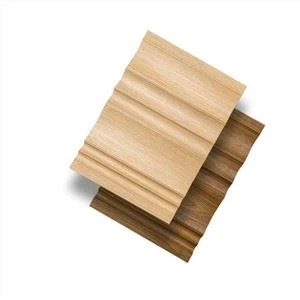
- Wooden Panels: Wooden panels are a popular choice for those who want a more natural look. They are made of solid wood or engineered wood and are available in a variety of finishes. Wooden panels are effective at reducing high-frequency noise and can add a warm and inviting feel to a room.
- Foam Panels: Foam panels are a cost-effective option for those who want to reduce noise on a budget. They are made of foam insulation and are available in a variety of shapes and sizes. Foam panels are effective at reducing high-frequency noise but are not as effective at reducing low-frequency noise as other types of panels.
Step 3: Prepare the Wall
Before you start installing the acoustic wall panels, you need to prepare the wall. This involves cleaning the wall surface and making sure it is smooth and free of any debris or dust. You may also need to fill in any holes or cracks in the wall with spackling compound and sand the surface smooth.
If you are installing the panels on a painted wall, you may need to prime the wall first to ensure that the adhesive sticks properly. Use a high-quality primer and follow the manufacturer’s instructions for application.
Step 4: Install the Panels
Once you have prepared the wall, you can start installing the acoustic wall panels. There are several methods you can use to install the panels, depending on the type of panels you have chosen and the surface of the wall.
- Adhesive Method: The adhesive method is the most common method for installing acoustic wall panels. To use this method, apply a high-quality adhesive to the back of the panel using a trowel or spreader. Make sure to apply the adhesive evenly and cover the entire surface of the panel. Then, press the panel firmly against the wall and hold it in place for a few seconds to allow the adhesive to bond.
- Mechanical Fastening Method: The mechanical fastening method is another option for installing acoustic wall panels. This method involves using screws, nails, or other types of fasteners to attach the panels to the wall. To use this method, drill holes in the wall where you want to install the panels and insert the fasteners. Then, attach the panels to the wall using the fasteners.
- Suspension Method: The suspension method is a more complex method for installing acoustic wall panels. This method involves suspending the panels from the ceiling or wall using wires or cables. To use this method, you will need to install brackets or hooks on the ceiling or wall and attach the wires or cables to the brackets or hooks. Then, attach the panels to the wires or cables using clips or other types of fasteners.
Step 5: Finish the Installation
Once you have installed all the acoustic wall panels, you need to finish the installation. This involves trimming any excess adhesive or fasteners and filling in any gaps between the panels with caulk or putty. You may also need to paint or stain the panels to match the color of the room.
If you have installed the panels on a ceiling, you may need to install a grid system to support the panels. The grid system should be installed according to the manufacturer’s instructions and should be level and square.
Step 6: Enjoy Your New Acoustic Space
Now that you have installed the acoustic wall panels, you can enjoy your new acoustic space. You should notice a significant reduction in noise levels and an improvement in the overall acoustics of the room. You can also use the space for a variety of activities, such as watching movies, listening to music, or working.
If you have any questions or need further assistance with the installation process, please don’t hesitate to contact me. As an acoustic wall panel supplier, I have the knowledge and experience to help you choose the right panels for your needs and ensure that they are installed correctly.
Conclusion

Installing acoustic wall panels is a great way to reduce noise levels and improve the overall acoustics of a room. By following the steps outlined in this blog post, you can install the panels yourself and save money on installation costs. However, if you don’t feel comfortable installing the panels yourself, you can always hire a professional installer to do the job for you.
MDF Wall Panel If you’re interested in purchasing acoustic wall panels for your home or business, please contact me to discuss your options. I offer a wide range of acoustic wall panels in a variety of colors, styles, and materials to meet your needs and budget. Let’s work together to create the perfect acoustic space for you!
References
- Acoustic Society of America. (n.d.). Acoustics Basics. Retrieved from https://acousticalsociety.org/content/acoustics-basics
- Building Science Corporation. (n.d.). Acoustic Insulation. Retrieved from https://www.buildingscience.com/documents/briefs/bsi-062-acoustic-insulation
- International Association of Certified Home Inspectors. (n.d.). Acoustic Insulation in Homes. Retrieved from https://www.nachi.org/acoustic-insulation.htm
Dongguan MUMU Woodwork Co., Ltd.
Dongguan MUMU Woodwork Co., Ltd. is one of the most professional acoustic wall panel manufacturers and suppliers in China, featured by cheap products and good service. If you’re going to wholesale customized acoustic wall panel at low price, welcome to get quotation and free sample from our factory. Contact us for more discount information.
Address: Room No.2602, Universal Commerce Center,Dongguan, China 523073
E-mail: Jerry@mumu-ing.com
WebSite: https://www.mumu-ing.com/
