Hey there! I’m a supplier of fruit crate plastic injection moulding machines, and today I wanna chat about how the ejector system in these machines works. It’s a pretty crucial part of the whole process, so let’s dive right in. Fruit Crate Plastic Injection Moulding Machine
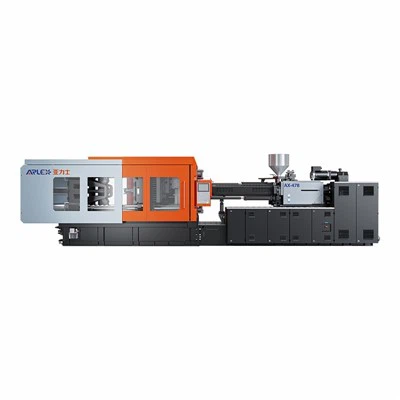
First off, what’s an ejector system? Well, in a fruit crate plastic injection moulding machine, the ejector system is responsible for getting the finished fruit crate out of the mould once the plastic has cooled and solidified. Without it, we’d be in a real pickle trying to get those crates out manually, and that’d be super time – consuming and inefficient.
Let’s start with the basic components of the ejector system. There are a few key parts that make it all work. The ejector pins are probably the most well – known. These are thin, rod – like pieces that are placed inside the mould. When it’s time to eject the crate, these pins move forward and push the crate out of the mould cavity. They’re strategically placed in areas where they won’t damage the crate, usually along the edges or in non – critical spots.
Then there’s the ejector plate. This is a flat piece that the ejector pins are attached to. When the machine’s control system signals the ejector process to start, the ejector plate moves. It’s like a big platform that moves all the ejector pins at once. The movement of the ejector plate is usually driven by a hydraulic or mechanical mechanism.
Hydraulic systems are pretty common in larger fruit crate injection moulding machines. They use pressurized fluid to move the ejector plate. The way it works is that a hydraulic pump creates pressure in the hydraulic fluid. This pressure is then transferred to a hydraulic cylinder. The piston inside the cylinder moves when the pressure is applied, and this movement is what pushes the ejector plate forward. The great thing about hydraulic systems is that they can generate a lot of force, which is useful for ejecting larger and heavier fruit crates.
On the other hand, mechanical systems use a series of gears, levers, and cams to move the ejector plate. In a mechanical system, the movement of the machine’s main components, like the clamping unit, is transferred through these mechanical parts to the ejector plate. Mechanical systems are often simpler and more cost – effective, but they might not be as powerful as hydraulic systems.
Now, let’s talk about the process step by step. When the plastic is injected into the mould, it fills the cavity and takes the shape of the fruit crate. The machine then waits for the plastic to cool and harden. This cooling time is really important because if the crate is ejected too soon, it might deform.
Once the plastic has reached the right temperature and hardness, the machine starts the ejector process. First, the clamping unit that holds the two halves of the mould together opens up. This creates a space for the crate to be ejected. Then, the control system sends a signal to the ejector mechanism, whether it’s hydraulic or mechanical.
The ejector plate starts to move forward, and the ejector pins follow suit. They push against the inside of the fruit crate, and gradually, the crate is pushed out of the mould. Sometimes, there might be a little bit of resistance, especially if the plastic has adhered to the mould surface. In those cases, the ejector system needs to generate enough force to overcome that adhesion.
After the crate is ejected, the ejector plate and pins move back to their original positions. This is called the retraction phase. The machine is then ready for the next injection cycle.
One thing to keep in mind is that the design of the ejector system needs to be carefully considered. The number and placement of the ejector pins are crucial. If there aren’t enough pins, the crate might not be ejected properly, and it could get stuck in the mould. On the other hand, if there are too many pins, they might leave marks on the crate, which isn’t good for the final product’s appearance.
Also, the material of the ejector pins is important. They need to be strong enough to withstand the force of ejecting the crate without bending or breaking. Most ejector pins are made of high – strength steel or other durable materials.
Another aspect is the speed of the ejector system. If the ejector moves too fast, it could damage the crate. But if it moves too slow, it’ll slow down the production process. So, finding the right speed is a bit of a balancing act.
In addition to the basic ejector pins and plate, some advanced fruit crate injection moulding machines have additional features. For example, there might be a secondary ejector system. This can be useful for crates with complex shapes or undercuts. The secondary ejector can help release parts of the crate that are more difficult to eject with the primary system.
There are also ejector systems that can be adjusted. This means that the operator can change the position of the ejector pins or the force applied by the ejector plate depending on the specific requirements of the fruit crate being produced.
As a supplier of fruit crate plastic injection moulding machines, I know how important a well – functioning ejector system is. It can make a huge difference in the efficiency and quality of the production process. If you’re in the business of making fruit crates, having a reliable ejector system in your machine can save you a lot of time and money in the long run.
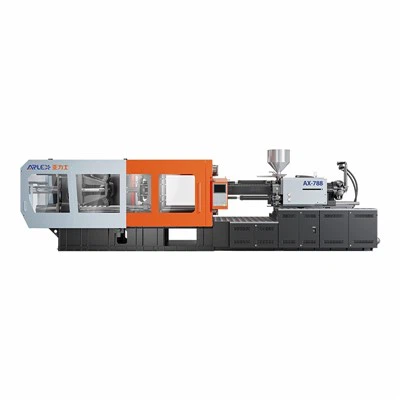
If you’re interested in learning more about our fruit crate plastic injection moulding machines and their ejector systems, or if you’re thinking about purchasing one, don’t hesitate to reach out. We’d be more than happy to have a chat with you and discuss how our machines can meet your specific needs.
Plastic Injection Moulding Machine References:
- "Plastic Injection Moulding Technology" by John A. Brydson
- "Injection Moulding Handbook" by O. Osswald and T. Turng
Ningbo Yalishi (Arlex) Plastic Machinery Co., Ltd.
Ningbo Yalishi(Arlex) Plastic Machinery Co., Ltd. is one of the most reliable fruit crate plastic injection moulding machine manufacturers and suppliers in China, featured by quality products and low price. Please rest assured to wholesale cheap fruit crate plastic injection moulding machine made in China here from our factory. Customized orders are welcome.
Address: No.63, Huangsu East Road, Industrial Zone, Dongqian Lake Tourist Resort, Ningbo, Zhejiang Province
E-mail: leo@arlex.cn
WebSite: https://www.arleximm.com/
